


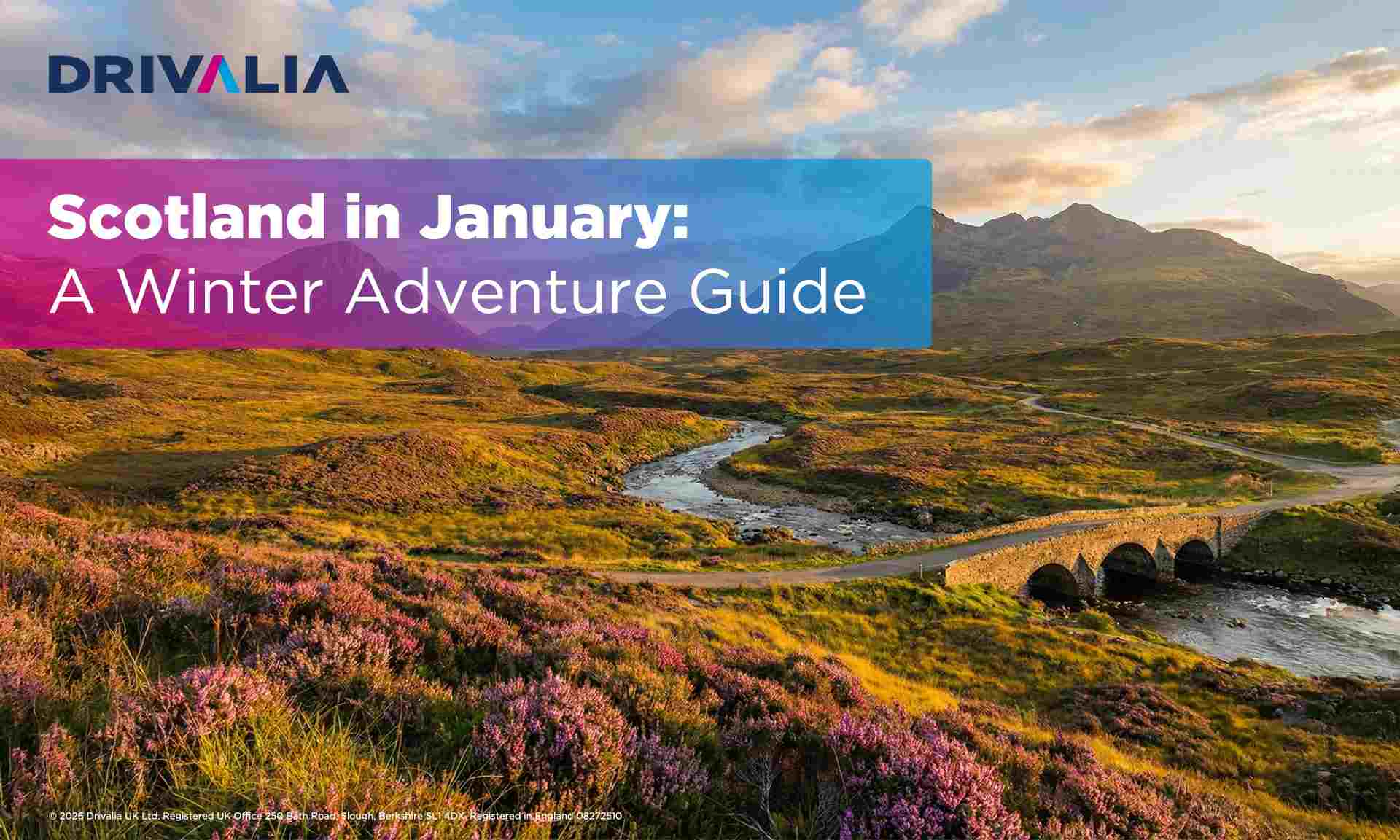
January in Scotland is not for the faint-hearted, and that is precisely what makes it extraordinary. This is Scotland stripped back to its elemental essence: raw, dramatic, and utterly authentic.
While fair-weather travellers wait for summer, those who venture north in winter discover a Scotland of snow-capped Munros, roaring fireplaces, ancient castles draped in frost, and a warmth of welcome that defies the weather. Here is where to embrace Scotland’s wildest, most magical month.
1. Edinburgh: Festival City in Intimate Mode
Edinburgh in January transforms from festival frenzy to sophisticated city break. The castle, perched on its volcanic crag, looks positively medieval when frost clings to its ramparts and haar (sea mist) rolls through the Old Town’s closes.
This is when you can actually walk the Royal Mile without shoulder-to-shoulder crowds, exploring hidden wynds and centuries-old pubs at your own pace.
Hogmanay celebrations extend into early January, but once the festivities fade, Edinburgh reveals its everyday magic.
The National Museum of Scotland, Scottish National Gallery, and Camera Obscura offer world-class culture with space to breathe. Climb Arthur’s Seat on a crisp winter morning for panoramic views across the Firth of Forth, with the city spread beneath you and smoke rising from countless chimneys.
Edinburgh’s food scene absolutely thrives in winter. Michelin-starred restaurants like The Kitchin showcase seasonal Scottish produce, including venison, scallops, and root vegetables.
Cosy gastropubs serve proper haggis, neeps and tatties, while the whisky bars along the Royal Mile become particularly inviting, offering tutored tastings that warm body and soul.
2. The Highlands: Dramatic Landscapes at Peak Majesty
The Scottish Highlands in January are quite simply spectacular. Snow dusts the peaks, waterfalls freeze into sculptural ice formations, and the lochs reflect steel-grey skies with mirror-like perfection. This is the Scotland of legend: wild, untamed, and breathtakingly beautiful.
Base yourself in Fort William, the outdoor capital of the UK. The Nevis Range typically offers skiing and snowboarding with views across to Ben Nevis, Britain’s highest peak. However, for January 2026, the Nevis Range Gondola and base station are closed from 5th January for essential gearbox and bull-wheel maintenance.
If you are visiting after the first week of January, Glencoe Mountain Resort or Cairngorm Mountain are your best alternatives for snowsports and mountain experiences. Fort William itself still provides excellent hiking access, cosy accommodation, and restaurants serving hearty Highland fare.
Drive the dramatic Glen Coe, where mountains and valleys are never more photogenic than under winter’s stark beauty. Stop at the Glencoe Visitor Centre to learn about the glen’s tragic history, then warm up with soup and cake in the café.
The journey northward reveals roadside waterfalls, isolated lochs, and the kind of scenery that stops you in your tracks despite the cold.
3. Isle of Skye: Mystical Beauty Uncrowded
Skye in January is for adventurers who understand that dramatic weather creates dramatic landscapes. The Cuillin mountains wear snow like crowns, the Old Man of Storr emerges from swirling mists, and the Fairy Pools offer crystal-clear waters without summer crowds, though they are bracingly cold.
The island’s whisky distillery, Talisker, provides warm refuge and exceptional single malt. Portree, the capital, maintains its colourful harbourfront appeal, with seafood restaurants serving the freshest langoustines and scallops you will ever taste.
Book into a B&B or small hotel with sea views and a proper Scottish breakfast, as you will need the fuel for winter exploring.
The Fairy Glen near Uig becomes otherworldly in winter light, while the Quiraing offers spectacular photo opportunities.
Note that Dunvegan Castle is closed to visitors during January, reopening in April. You can still admire its exterior and grounds from outside, but interior tours and formal garden access are unavailable until spring.
Yes, you will need to watch the weather and drive carefully, but the reward is experiencing one of Scotland’s most iconic destinations in pristine solitude.
4. St Andrews: Coastal Appeal and Golfing Heritage
St Andrews in January appeals to those who love historic university towns and dramatic coastline. The Old Course may be challenging to play depending on conditions, but walking the famous links and visiting the British Golf Museum requires no tee time.
The town’s medieval streets, cathedral ruins, and castle perched on rocky cliffs create an atmospheric winter destination.
The University of St Andrews lends the town intellectual energy, with students filling the excellent cafes and traditional pubs. West Sands beach, yes, the Chariots of Fire beach, offers invigorating walks with views across St Andrews Bay.
The town’s seafood restaurants serve outstanding fish and chips, while more refined dining showcases the best of the Scottish larder.
5. Cairngorms National Park: Scotland’s Winter Playground
The Cairngorms become Scotland’s premier winter destination in January. Aviemore serves as the gateway, offering direct access to skiing and snowboarding at Cairngorm Mountain.
But this is not just for downhill enthusiasts. The area excels in winter walking, wildlife spotting, and simply experiencing Britain’s most alpine environment.
The funicular railway whisks you to 1,097 metres, where the Ptarmigan restaurant serves hot chocolate with views that stretch across snow-covered plateaus to distant peaks.
The funicular reopened fully in 2025 following a £25 million repair project. At lower altitudes, red deer, mountain hares, and if you are fortunate, golden eagles inhabit these wild uplands.
Aviemore itself provides excellent accommodation, from boutique hotels to cosy lodges. Note that the famous Mountain Café has relocated from Aviemore to a bakery format in Grantown-on-Spey.
The area’s distilleries, including Dalwhinnie and Tomatin, offer warming tours, while restaurants serve game and local beef. Do not miss a walk through the ancient Caledonian pine forests of Rothiemurchus, where snow transforms the woodland into something from a fairytale.
6. Glasgow: Urban Energy and Cultural Riches
Glasgow in January buzzes with authentic Scottish city life. The Kelvingrove Art Gallery and Museum, with its Spanish Baroque architecture, houses everything from Salvador Dalí to a Spitfire, and it is free.
The Riverside Museum, designed by Zaha Hadid, showcases Scotland’s transport heritage in dramatic fashion.
Glasgow’s legendary music scene thrives year-round. Catch live performances at King Tut’s Wah Wah Hut or the Barrowland Ballroom, or explore the city’s comedy circuit.
The West End’s Ashton Lane offers cobbled appeal with fairy lights and excellent restaurants, while the city centre’s Style Mile provides retail therapy during the January sales.
The city’s curry scene on Gibson Street rivals anywhere in Britain, while traditional pubs serve everything from cullen skink to Stornoway black pudding.
For a true Mackintosh experience, book afternoon tea at Mackintosh at the Willow on Sauchiehall Street, the original building now operated by the National Trust for Scotland. This is the most authentic choice for experiencing Charles Rennie Mackintosh’s genius paired with exceptional baking.
7. Loch Lomond and the Trossachs: Accessible Highland Beauty
Just an hour from Glasgow, Loch Lomond and the Trossachs National Park offers Highland scenery without the Highland drive times. Loch Lomond itself, Britain’s largest inland stretch of water, takes on moody magnificence in winter.
The village of Luss provides postcard-perfect cottages and loch-side walks, while Balloch offers visitor facilities and boat trips when weather permits.
Drive around the loch to more remote spots like Rowardennan, where walking trails lead into proper wilderness.
The village of Aberfoyle serves as gateway to the Trossachs, with the Duke’s Pass offering dramatic views when clear and atmospheric mystery when misty. Accommodation ranges from luxury lodges to welcoming B&Bs, all with log fires and Highland hospitality.
8. Stirling: History Brought Brilliantly to Life
Stirling Castle dominates its volcanic crag with commanding presence, especially magnificent when winter light catches its golden Renaissance palace.
The castle’s meticulously recreated Royal Palace apartments and Great Hall offer fascinating glimpses into Scottish royal life, while the views across the Highlands and Lowlands explain why this location held such strategic importance.
The nearby National Wallace Monument commemorates Scotland’s greatest patriot with sweeping views from its tower. Stirling itself appeals with medieval streets, excellent restaurants, and proximity to both Edinburgh and the Highlands.
The Battle of Bannockburn Visitor Centre uses cutting-edge technology to bring the famous 1314 battle to vivid life, though it often operates reduced hours in early January, so check ahead before visiting.
9. Orkney Islands: Archaeological Wonders and Dramatic Isolation
For the truly adventurous, Orkney in January offers archaeological riches without the crowds and dramatic seascapes that define Scottish island life. Skara Brae, the 5,000-year-old Neolithic village, becomes even more atmospheric when Atlantic gales howl across the bay. The site is open daily except 1st and 2nd January.
The Ring of Brodgar stone circle stands stark against winter skies, while the Italian Chapel showcases wartime ingenuity and faith.
Kirkwall, the capital, provides excellent seafood, cosy pubs, and the magnificent St Magnus Cathedral, though be aware that winter conservation work sometimes affects access. The islands’ distilleries, Highland Park and Scapa, offer warming tours and exceptional single malts.
A word of caution: ferry crossings from Scrabster are frequently delayed or cancelled in January due to high North Sea swells. Build contingency time into your plans and consider flying if weather forecasts look unfavourable.
Orkney in winter is not easy, but it rewards with authenticity and the kind of experiences that define real travel.
10. Inverness and Loch Ness: Gateway to Adventure
Inverness, the Highland capital, combines urban amenities with wilderness access. The city sits at the northern end of the Great Glen, with Loch Ness stretching southward. Its dark waters appear particularly mysterious in winter.
Take a cruise from Drumnadrochit for Nessie-spotting (she is most elusive in winter) and visit Urquhart Castle, dramatically positioned on the loch shore.
Inverness offers excellent restaurants showcasing Highland produce, Victorian market appeal, and proximity to Culloden Battlefield, which is hauntingly atmospheric in winter weather. The city serves as the perfect base for exploring the Black Isle, with its dolphins, distilleries, and coastal beauty.
Practical Highland Wisdom
Scotland in January demands preparation but rewards abundantly. Pack serious layers: thermal base layers, fleece mid-layers, and waterproof outer shells. Quality hiking boots are essential, as are gloves, hats, and warm socks. Days are short, with sunrise around 8:30am and sunset by 4pm, but the extended twilight creates magical photographic conditions.
Winter weather brings challenges: roads can close in heavy snow, ferries may cancel in storms, and some attractions operate reduced hours. This unpredictability is part of the adventure. Build flexibility into itineraries, have backup plans, and embrace whatever Scotland throws at you.
Accommodation offers exceptional value in January, from luxury hotels to cosy B&Bs. Book places with real fires, good restaurants, and proper Scottish breakfasts, as you will appreciate all three.
For visitors flying into Scotland, arranging car hire at Edinburgh Airport opens up the full majesty of the Highlands, islands, and coastal routes that make winter exploration so rewarding. Having your own vehicle means you can chase the weather, stop at remote viewpoints, and reach those hidden gems that public transport simply cannot access during the shorter winter days.
Trains and buses connect major destinations reliably for those who prefer not to drive.
Scotland’s winter is neither mild nor predictable, but therein lies its appeal. This is Scotland at its most authentic: locals in pubs, empty trails leading to extraordinary viewpoints, museums where you can actually study the exhibits, and that uniquely Scottish warmth that emerges when people gather to escape the weather outside.
January in Scotland offers something increasingly precious: genuine experience of iconic places without feeling like a tourist in a theme park. It is travel that builds character, creates stories, and connects you with landscape and culture in ways summer visits simply cannot match.
Embrace the elements, pack the right gear, and Scotland in January will reward you with some of the most memorable travel experiences of your life. After all, there is no such thing as bad weather, only inappropriate clothing and insufficient whisky.
Best time to visit: Mid-January offers settled winter conditions after Hogmanay crowds depart. Expect 2-7°C in lowlands, colder in mountains. Daylight is limited (8 hours) but the quality of light is superb. Pack for Arctic conditions and you will be comfortable whatever Scotland delivers.